
How Often Should You Reseal Concrete? A Perth Homeowner’s Guide
- February 4, 2026
- Written By Levi Saunders
- Guides
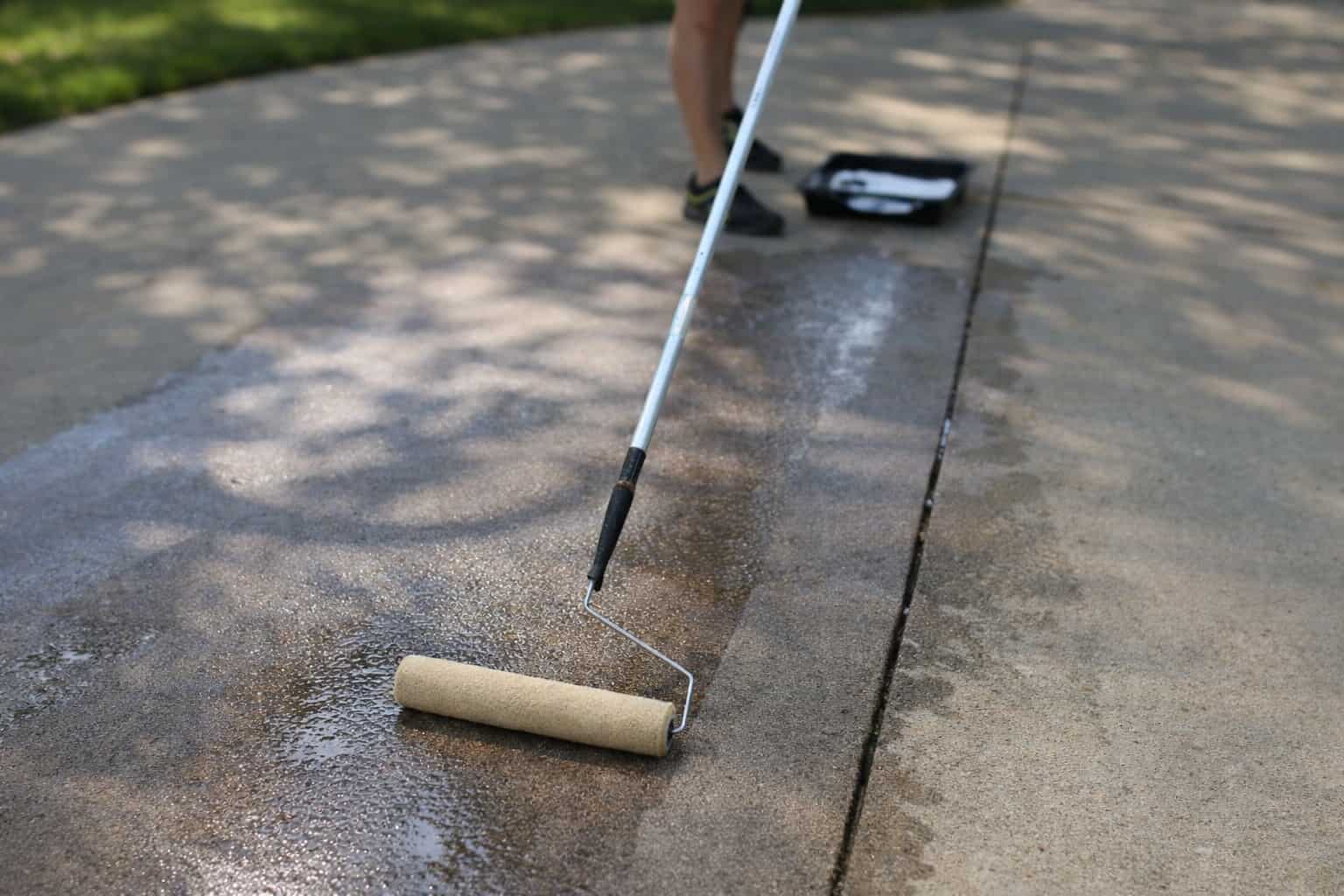
In most Perth homes, concrete should be resealed every 2 to 4 years. That timeframe applies to most driveways, patios, pool surrounds, and exposed aggregate surfaces. However, it is not a fixed rule. The right timing depends on the type of concrete, how much sun and water it is exposed to, and how heavily it is used.
Perth conditions are tough on concrete. Strong UV exposure breaks down sealers faster, heat causes expansion and contraction, and coastal air can accelerate surface wear. Add vehicles, foot traffic, pool water, and outdoor entertaining, and some surfaces naturally need attention sooner than others.
An exposed aggregate driveway in full sun will usually need resealing earlier than a covered alfresco area. Pool surrounds also wear faster due to constant moisture and chemicals, while sheltered patios tend to last longer between reseals.
How Often Different Concrete Surfaces Should Be Resealed
Not all concrete wears the same way. The finish, location, and level of use all affect how quickly a sealer breaks down. Below is a practical guide based on what we see across Perth homes.
Exposed aggregate
Exposed aggregate typically needs resealing every 2 to 3 years. The open, textured surface allows more water and dirt to sit on the concrete, which speeds up sealer wear. Combined with Perth’s sun and heat, this makes exposed aggregate concrete more vulnerable if resealing is delayed. If the stones begin to look dull or stains soak in quickly, it is usually time to reseal.
Concrete driveways
Concrete driveways usually need resealing every 2 to 4 years. Vehicle traffic, oil leaks, tyre marks, and constant sun exposure all take a toll on the surface. Homes with concrete driveways facing north or west often see faster wear due to higher UV exposure. Regular resealing helps prevent staining and surface breakdown before damage sets in.
If you want a deeper look at the process, our guide on how to seal a concrete driveway explains what is involved and when professional resealing is recommended.
Pool surrounds
Pool surrounds generally need resealing every 1.5 to 3 years. Constant exposure to water, chlorine or salt, and foot traffic wears sealers faster than most homeowners expect. In these areas, resealing is not just about appearance. It plays a key role in protecting the surface and maintaining long-term durability.
Patios and alfresco areas
Patios and alfresco areas typically need resealing every 3 to 5 years. Covered spaces last longer because they are protected from direct sun and rain. The time between reseals can also depend on the surface chosen, which is why selecting the right patio material upfront can reduce long-term maintenance demands.
Signs Your Concrete Needs Resealing and What Happens If You Wait
Concrete rarely fails without warning. In most cases, there are clear signs that the protective sealer has worn through.
Clear signs your concrete needs resealing
-
Colour looks faded or dull
-
Water no longer beads on the surface
-
Stains soak in quickly instead of wiping off
-
The surface feels rough or chalky
-
Exposed aggregate loses contrast and depth
When these signs appear, the concrete is no longer properly protected.
What happens if resealing is delayed
Leaving concrete unsealed allows moisture, dirt, and oils to penetrate the surface. Over time, this leads to deeper staining and accelerated wear, particularly on driveways and high-use outdoor areas. Once stains soak in, even removing oil stains from concrete driveways becomes more difficult and sometimes ineffective.
Delaying resealing often turns a simple maintenance job into a more expensive repair or resurfacing project. Regular resealing is far more cost-effective than fixing damage after it has taken hold.
Professional Resealing vs DIY Sealers and When to Get Advice
Some homeowners attempt DIY resealing, and while this can offer short-term improvement, results often vary.
DIY sealers usually sit on the surface and rely on basic preparation. Without thorough cleaning and correct product selection, they tend to wear quickly, especially on driveways, exposed aggregate, and pool surrounds.
Professional resealing involves proper surface preparation and the use of commercial-grade sealers matched to the concrete finish. This provides longer-lasting protection, a more even appearance, and better resistance to UV, moisture, and staining. Over time, professional resealing is usually the more cost-effective option.
Resealing concrete is preventative maintenance, not just a cosmetic upgrade. If you are unsure whether your concrete needs resealing or which approach is right for your surface, getting advice from Decorative Concrete WA can help protect your investment and avoid unnecessary costs.
Frequently asked questions
How long does concrete sealer last in Perth?
Most sealers last between 2 and 4 years, depending on exposure and surface type.
Can you reseal concrete too often?
Yes. Resealing too frequently without proper preparation can cause sealer build-up and uneven finishes.
Does exposed aggregate need a special sealer?
Yes. Textured surfaces require sealers designed to protect both the stones and the cement matrix.
Is resealing slippery around pools?
When done correctly with the right product, resealing can maintain or improve slip resistance.
Can old sealer be resealed over?
Sometimes. In many cases the surface needs cleaning or stripping first to ensure proper adhesion.