
How to Maintain Concrete in Perth’s Hot Summers
- December 8, 2025
- Written By Levi Saunders
- Guides
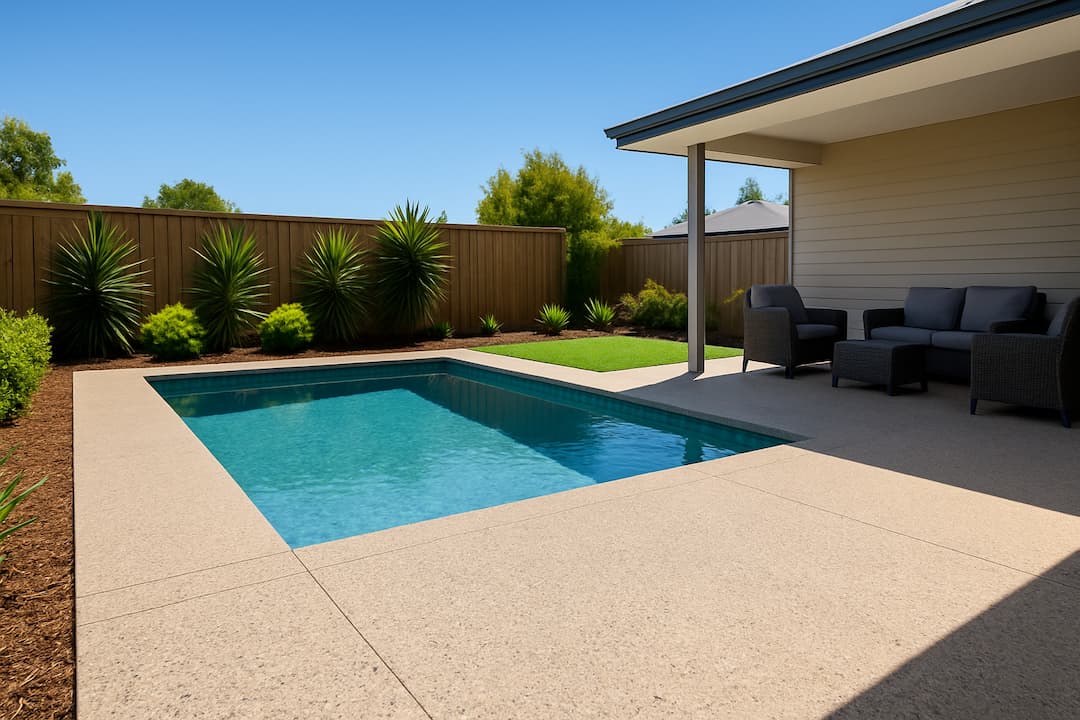
Looking for practical ways to maintain concrete in Perth’s hot summers? The combination of harsh UV, dry winds and long stretches of high temperatures can cause fading, surface wear, cracking and stubborn stains if the surface isn’t protected. With the right care, your driveway, alfresco or pool surround can stay strong, safe and looking fresh right through the hottest months.
When concrete is looked after early in the season, it handles heat better, stays cooler underfoot and resists summer damage more effectively. This guide shows you the simple steps that help your concrete last longer while keeping your outdoor areas ready for everyday use.
Quick Summary
-
Perth’s strong UV and extreme heat can fade concrete, dry it out and weaken older sealers.
-
Light weekly cleaning prevents dust, sand and leaves from baking into the surface.
-
Resealing in spring provides a protective layer that helps concrete cope with heat and summer stains.
-
Pool surrounds need extra care due to chlorine, sunscreen and heavier foot traffic.
-
Different finishes such as honed, liquid limestone or polished concrete each need tailored summer maintenance steps.
Why Perth’s Summer Heat Affects Concrete
Perth’s climate puts concrete under more strain than people realise. Long periods of heat, strong sun and low humidity all affect its durability. UV exposure slowly wears down the surface and can cause colour loss, especially on decorative finishes. Hot, dry conditions also pull moisture from the slab faster, which can make the concrete more brittle over time. This increases the chance of small cracks forming in driveways, paths and alfresco areas that receive full sun.
Thermal expansion is another factor. As concrete heats up, it expands, and without good control joints or a reliable sealer in place, the movement can cause surface stress. Outdoor areas also get more use during summer, with more foot traffic, garden debris, pool water and sunscreen all coming into contact with the surface. These conditions accelerate wear if the concrete isn’t protected.
Daily and Weekly Maintenance for Summer
A simple maintenance routine goes a long way during hot weather. Sand is common across Perth and can scratch concrete if it’s allowed to build up, especially on smooth or decorative surfaces. Sweeping every few days prevents this. Light rinsing helps remove dust, leaves and debris before they have a chance to harden or settle into the pores of the concrete.
If deeper cleaning is needed, avoid high pressure washing on very hot days. Sudden temperature changes can soften older sealers or stress the surface. For driveway upkeep, heat often makes oil stains spread faster, so quick attention is important. For tougher marks, the methods in Remove Oil Stains from Concrete Driveways are a reliable starting point.
Protecting Concrete from UV and Heat
Strong UV is one of the biggest causes of fading and surface wear during Perth’s summer. Coloured and decorative concrete can dull quickly if they aren’t sealed. Older sealers may also soften under direct heat. Applying a quality sealer before the hottest months helps shield the surface from UV, reduce moisture loss and make summer cleaning easier.
Driveways, pathways and alfresco areas exposed to afternoon sun benefit the most from a well timed reseal. If you’re unsure where to begin, the guide on How to Seal a Concrete Driveway explains the process and the key steps for achieving long lasting protection.
Preventing Heat Related Cracks
Concrete becomes more prone to cracking when the surface dries out too fast. High heat and low humidity increase this risk. Light shading during the hottest part of the day or gently misting older, unsealed surfaces on extreme heat days can help slow rapid moisture loss without causing shock to the slab.
Newly installed concrete also needs extra care during its first summer. Avoid placing heavy items such as pot plants or outdoor furniture on areas that feel unusually warm or soft, as this can create pressure points that later become cracks. If you want more ways to reduce heat stress, the advice in Avoid Concrete Cracks can help protect the slab through the hottest periods.
Summer Stain Prevention and Cleaning Tips
Summer brings more outdoor cooking, gardening and pool use, which means more opportunities for stains. BBQ fats, sunscreen, leaf tannins, soil and chlorine residue can all leave marks if they sit for too long. Cleaning spills early prevents them from soaking into the surface, especially on porous materials like liquid limestone or older unsealed concrete.
Heat often causes oily or dark stains to spread more quickly. A quick wash with mild detergent usually prevents this, while tougher marks may require the specific cleaning methods mentioned earlier. Staying on top of stain prevention helps maintain the appearance and lifespan of the surface.
Pool Surround Care in Summer
Pool areas face harsher conditions than most outdoor spaces. Chlorine, sunscreen, heat and constant wet to dry cycles can wear down the surface faster. Sand also collects around pools and can scratch decorative finishes if it isn’t swept away regularly.
Keeping the area clean helps reduce heat buildup and protects the finish. A light rinse after heavy pool use can also prevent marks caused by chlorine or sunscreen. If you’re comparing different materials for pool surrounds, Liquid Limestone vs Exposed Aggregate for Pool Surrounds outlines how each option handles summer conditions and frequent use.
Should You Reseal Concrete Before Summer?
Resealing is one of the best ways to prepare concrete for Perth’s peak heat. A fresh sealer protects against UV fading, helps the surface retain moisture and makes it easier to clean off summer stains. Most outdoor concrete should be resealed every few years, though driveways and pool surrounds may need it sooner due to heavier use.
Late spring is usually the ideal time to reseal. Temperatures are warm enough for proper curing but not yet at their peak. This gives the surface a strong barrier before the hottest weather arrives. For a step by step approach, the earlier linked driveway sealing guide is a great reference.
Care Tips for Different Concrete Finishes
Different finishes need different approaches during summer.
Exposed aggregate
This surface can lose some of its natural sheen if it isn’t sealed before summer. Regular sweeping helps prevent sand from scratching the stones, and rinsing pool areas after use removes sunscreen and chlorine.
Honed concrete
Honed concrete warms up faster in direct sun. Keeping it shaded and avoiding abrasive cleaners helps maintain its smooth finish. For more details on this surface, see Honed Aggregate.
Liquid limestone
Liquid limestone stays cooler underfoot, making it popular for pool and alfresco areas. It is more porous than standard concrete, so prompt cleaning and periodic sealing help prevent staining during summer. You can learn more about it at Liquid Limestone.
Polished or burnished concrete
Outdoor polished and burnished areas need gentle cleaning to avoid dullness. UV exposure can affect the surface over time, so keeping these areas sealed or shaded is helpful. More information is available at Polished and Burnished Concrete.
When to Call a Professional
Some issues become more noticeable during hot weather and may require a specialist to assess. Cracks that widen, flaking sealer, fading colour or surfaces that turn powdery are signs the concrete may need more than routine cleaning. Pool surrounds that become patchy or slippery after repeated wet and dry cycles also benefit from a professional inspection.
If stains don’t lift or if the surface heats unevenly or discolours quickly, addressing the problem early helps prevent long term damage.
Talk to Perth’s Concrete Specialists
Keeping concrete in good condition during Perth’s hot summers comes down to early protection, consistent care and understanding how heat and UV affect different finishes. Whether you’re looking after a driveway, alfresco or pool surround, these steps help your concrete stay cooler, resist marks and keep its appearance through the hottest months.
If you’re planning upgrades or want advice tailored to your home, we’re here to help. For homeowners wanting a durable, low maintenance surface that performs well in Perth’s climate, Exposed Aggregate remains one of the most reliable choices for outdoor areas.